Introduction
The integration of healthcare machines with centralized data systems has become crucial as the healthcare sector increasingly embraces digital transformation. For facilities that manage donor or client data—such as blood banks, plasma centers, and organ donation services—real-time data transfer from collection machines to a main system is essential for efficient operation. This case study explores how implementing APIs (Application Programming Interfaces) to connect healthcare machines with a central system can streamline data management, improve operational efficiency, enhance donor and client safety, and facilitate compliance with regulatory standards.
Problem Statement
Healthcare facilities that collect, manage, and store donor data have traditionally relied on manual data entry or standalone data storage within machines. This can lead to data fragmentation, errors, and inefficiencies. Machines that handle donor information—such as blood collection devices, plasma separators, and diagnostic equipment—generate large amounts of data on donor eligibility, collection volumes, and health metrics. However, without an integrated system, these data points often remain siloed, complicating real-time decision-making, reporting, and auditing processes.
The challenge is to ensure that healthcare machines communicate seamlessly with a centralized system that can store, process, and analyze the data, enabling faster decision-making and efficient data management. By implementing an API-driven approach, healthcare organizations can bridge the gap between healthcare machines and their main systems, achieving a more streamlined data flow.
Solution Approach
The solution involves deploying a standardized API that facilitates secure and efficient data transfer between healthcare machines and the main system. The API acts as an intermediary, allowing machines to send relevant data points—such as donor identification, health metrics, and collection statistics—to the central database in real-time.
- API Development and Deployment:
- Develop a RESTful API that enables machines to send and retrieve data from the main system.
- Ensure that the API supports various machine protocols and can accommodate data types specific to healthcare settings.
- The API includes security protocols, such as OAuth 2.0, for secure data transmission and data encryption to protect sensitive information.
- Data Standardization and Integration:
- Establish a data model that standardizes donor and collection data, ensuring consistency across different machines.
- Integrate the API with the main system, which may involve adapting legacy systems to accept API-based data.
- Implement validation protocols to ensure data integrity, preventing inaccurate or incomplete information from entering the main system.
- Data Processing and Visualization:
- Enable the main system to process incoming data for quick insights on donor health, collection success rates, and inventory needs.
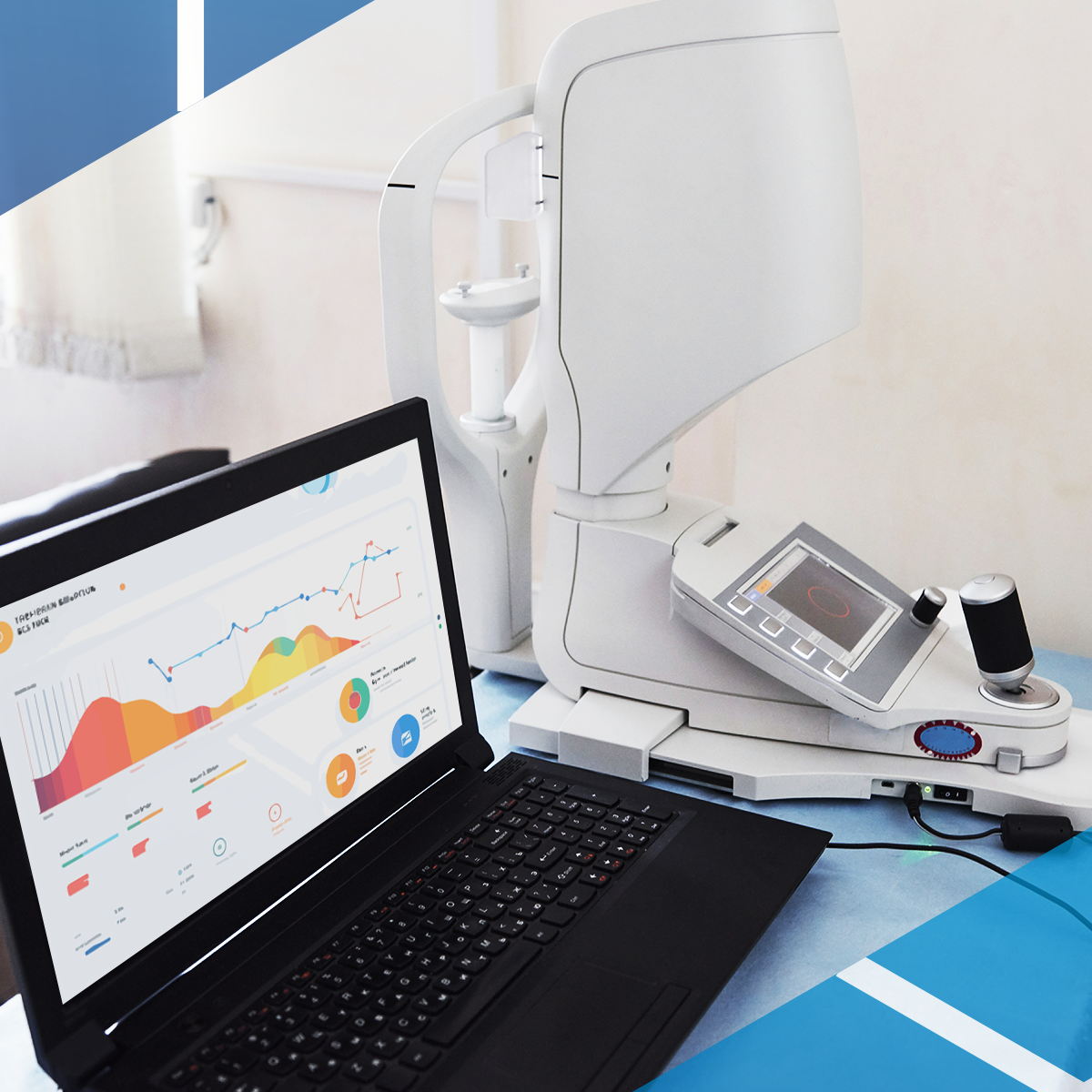
- Develop dashboards to visualize data trends, enabling healthcare staff to monitor operations and make real-time decisions.
Case Analysis: Key Benefits and Outcomes
- Efficiency in Data Management:
- API integration minimizes manual data entry, reducing labor costs and potential for human error.
- Data from healthcare machines is transferred in real-time, providing healthcare staff with up-to-date donor information and collection metrics. This reduces data lag and supports immediate decision-making.
- Enhanced Donor and Client Safety:
- Real-time data sharing allows staff to identify health anomalies in donors promptly, enabling timely interventions.
- Accurate data records improve compliance with health standards and reduce the risk of errors in donor eligibility assessments.
- Regulatory Compliance and Reporting:
- Data centralization facilitates easier compliance with regulatory standards, such as GDPR for data protection, and medical regulatory bodies’ requirements for data accuracy and availability.
- The API enables audit-ready data logs, simplifying reporting processes for healthcare facilities and ensuring that required data is consistently available.
- Operational Scalability:
- The API-driven architecture supports scalability, allowing additional healthcare machines or facilities to connect with the main system without major overhauls.
- New machines can integrate seamlessly, extending the central system’s functionality across a broader network of data points and locations.
Technical Considerations and Challenges
Implementing an API to link healthcare machines with a main system presents technical challenges that require careful planning and execution:
- Machine Compatibility:
- Different machines use varying data formats and communication protocols. Ensuring compatibility requires extensive testing and potential hardware upgrades for legacy machines.
- Data Security and Compliance:
- APIs are susceptible to cyber threats, making it essential to implement robust security measures like end-to-end encryption, role-based access control, and regular security audits.
- Compliance with healthcare data regulations (such as HIPAA in the U.S.) demands rigorous data privacy and protection protocols within the API.
- Data Synchronization and Validation:
- Ensuring that data from different machines remains synchronized with the main system is vital. This can be achieved through periodic synchronization protocols and validation rules that check data accuracy before it is stored centrally.
- Maintenance and Support:
- APIs require ongoing maintenance to handle updates in machine firmware or main system upgrades. Establishing a dedicated support team to monitor API performance and address issues is crucial to avoid system downtime.
Conclusion
Integrating healthcare machines with a main system through API technology offers a transformative approach to managing donor and client data in the healthcare industry. By enabling real-time data transfer, API-driven systems provide substantial benefits, including improved operational efficiency, enhanced data accuracy, and strengthened regulatory compliance. While technical challenges exist, the strategic deployment of APIs can create a flexible, scalable, and secure data ecosystem that meets the evolving demands of healthcare facilities.
In the future, as healthcare technology advances, the use of APIs will likely expand beyond data transfer, supporting machine learning applications that can further analyze donor and collection data. This will provide actionable insights that can improve donor safety, optimize collection processes, and ultimately enhance the quality of care in healthcare facilities.
Recommendation or Client Testimonial
“The introduction of the API-based solution significantly improved our data management processes, enabling real-time data access and more efficient operations. The new system not only enhanced donor safety but also simplified compliance with regulatory requirements.”